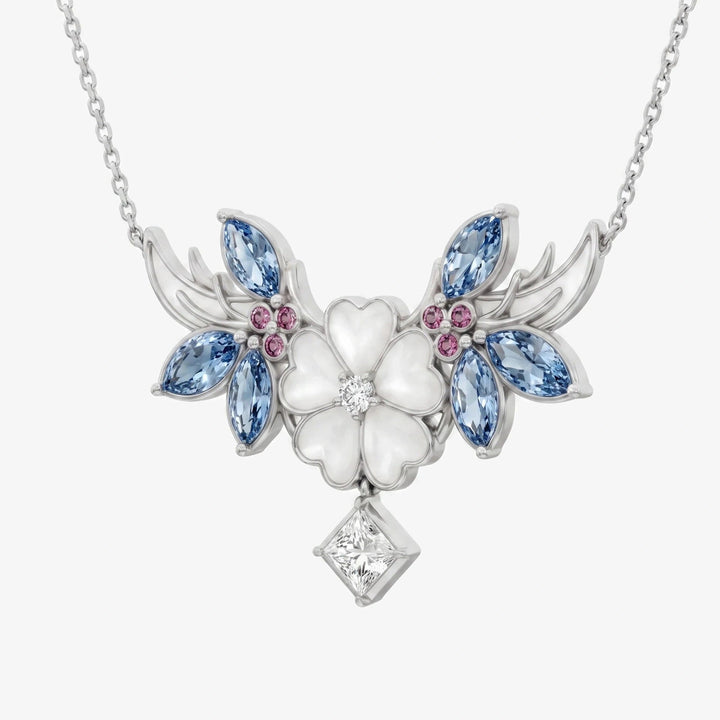
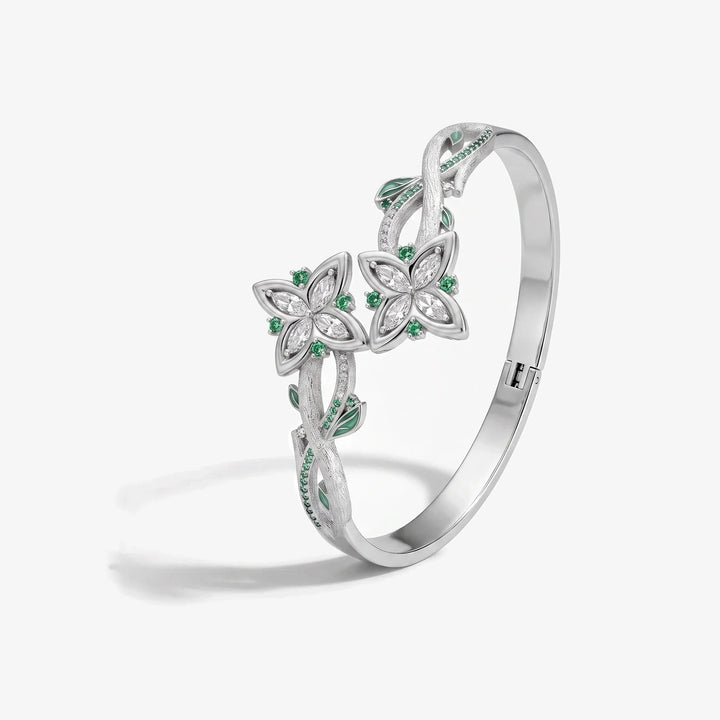
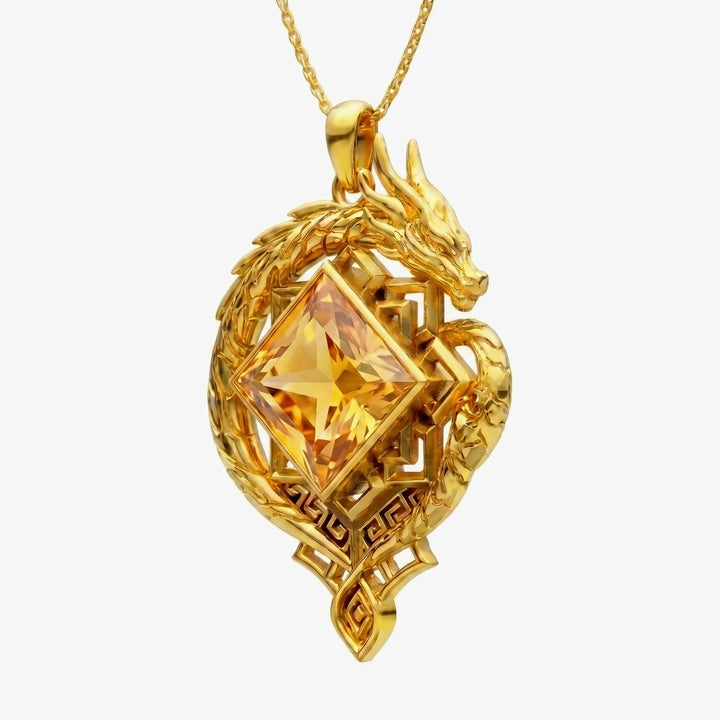
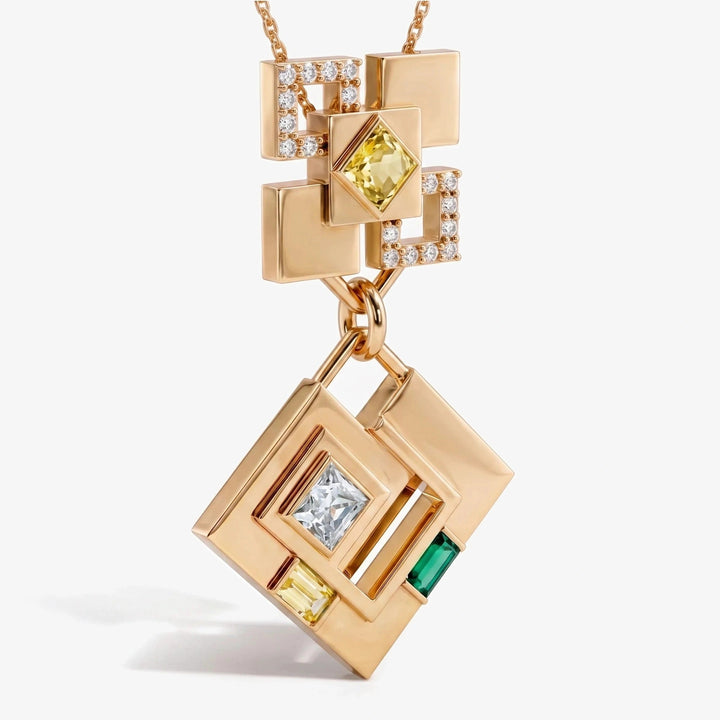
Five questions before a drawing becomes jewelry
Kraymer Journal
A beautiful drawing can still make a bad object. The change starts by asking what survives scale and what the wearer gets from it.
A good illustration and a good piece of jewelry overlap, but they are not the same result.
I can love a drawing and still decide it should stay a drawing. These five questions help me see the difference before attachment turns every line into a requirement.
1. What survives when it gets small?
I shrink the design until the tiny details stop helping.
If the silhouette still reads and the main idea stays clear, there is something to build on. If the design turns into a knot, it needs another pass. Zooming in will not be an option for the person wearing it.
2. Where does the eye land first?
A viewer should not have to search for the subject.
The answer might be a stone, a shape, or the meeting point between two forms. I do not mind if someone discovers more on the second look. I do mind if the first look has nowhere to go.
3. Does the reference live in the object?
I imagine the product without its name.
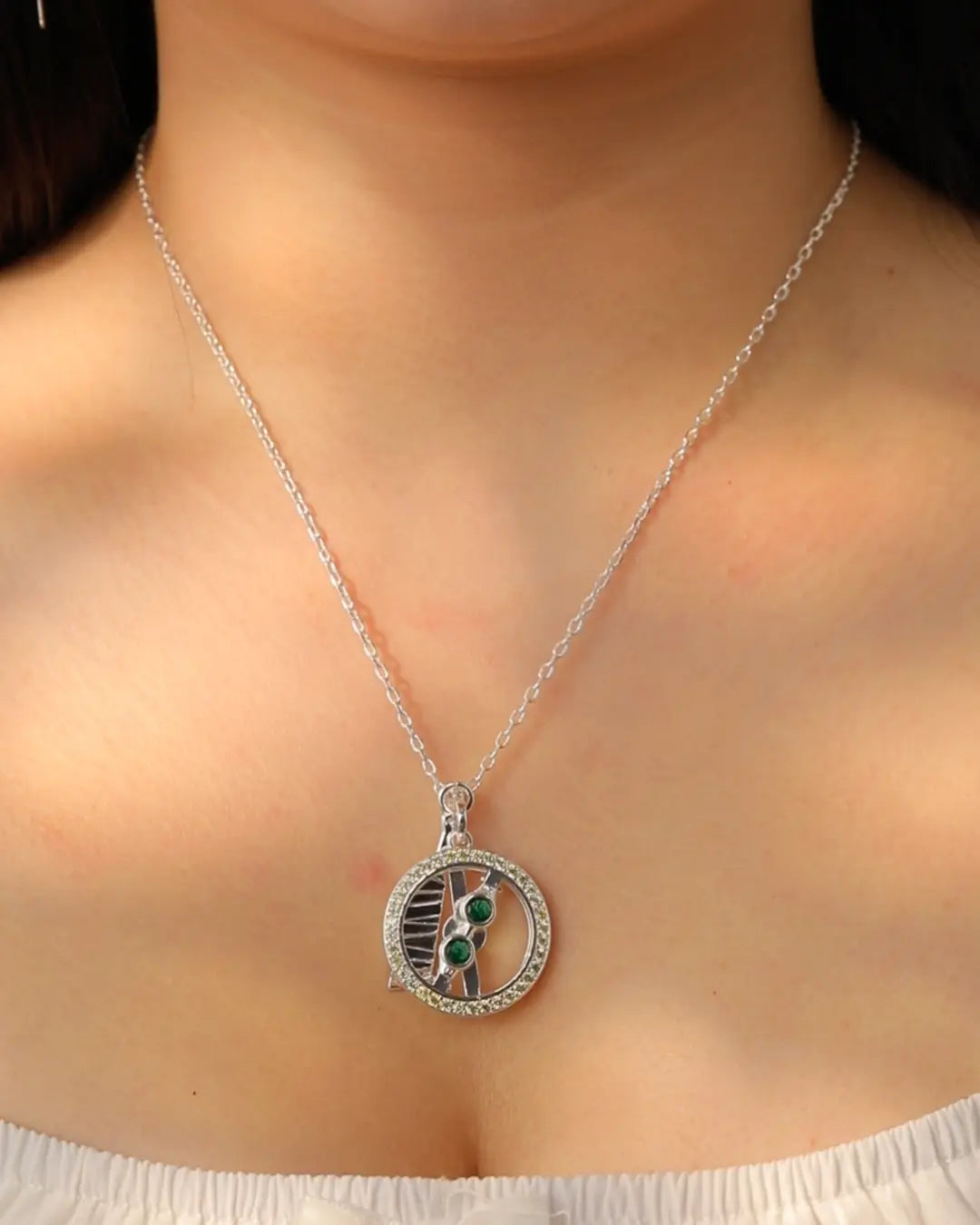
Would a fan still have a fair chance of recognizing the inspiration? Does the piece carry a symbol, color relationship, or structure that belongs to the source? If the title supplies all the meaning, the design is not finished.

4. Would a non-fan still wear it?
This question keeps the design honest about beauty.
A person can miss the reference and still understand the proportion, finish, and overall form. They do not need to become the customer. They only need to show me whether the object works before fandom knowledge is added.
5. What does the wearer get to do with it?
Jewelry enters routines. It moves with the body, sits beside other pieces, and appears in more situations than the product photograph can predict.
Can it join clothes someone already owns? Is the reference loud or quiet in a deliberate way? Does the object give the wearer control over when they explain it?
That last question pulls the work out of my sketchbook. The design stops being a demonstration of what I can draw and starts becoming something another person can make their own.
Not every idea passes all five questions on the first try. That is useful. A rejected direction can reveal the one part worth keeping.
You can compare the finished pieces in the jewelry collection, then read Why metal is not a screen for the constraint that changes the process most.
Wear the story